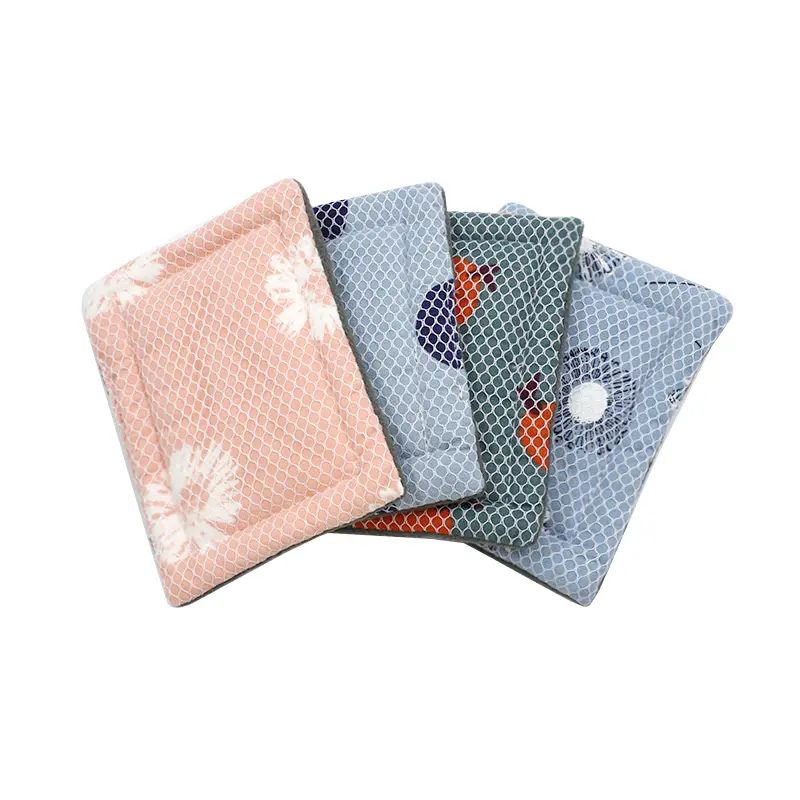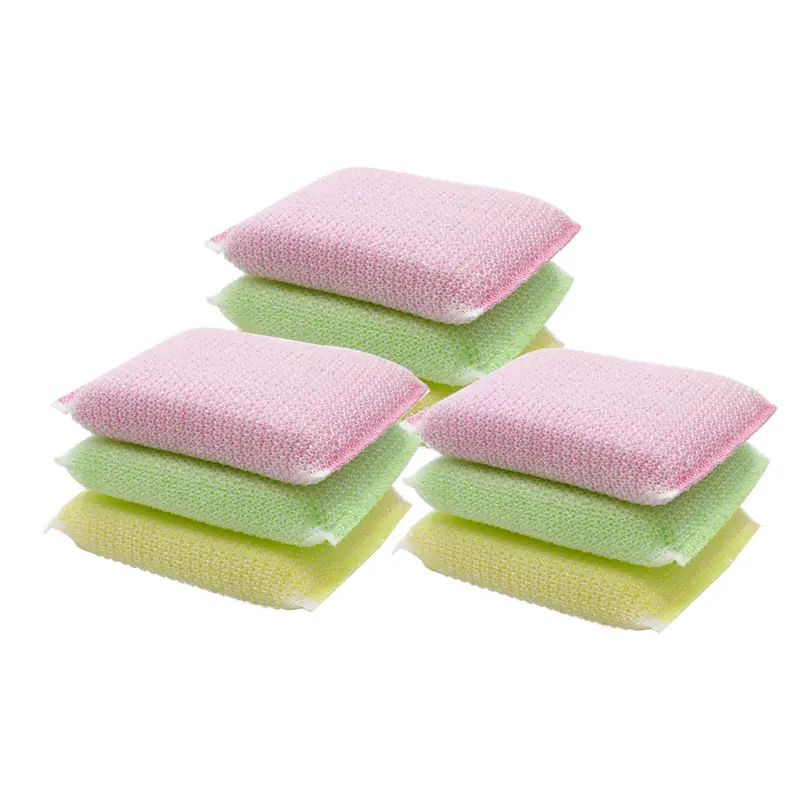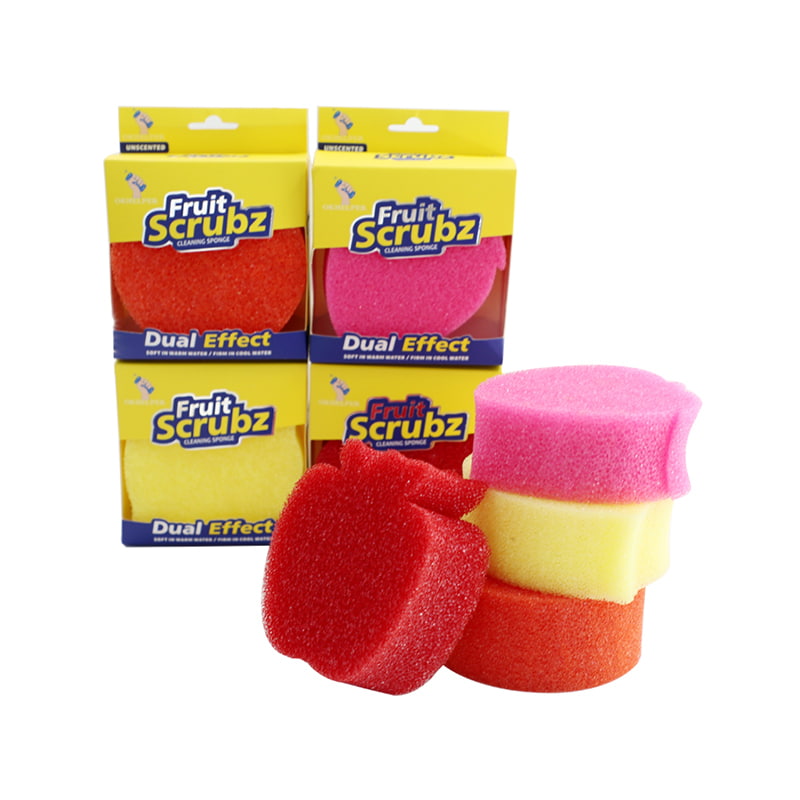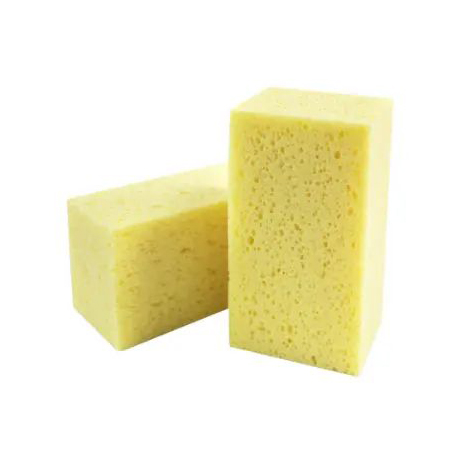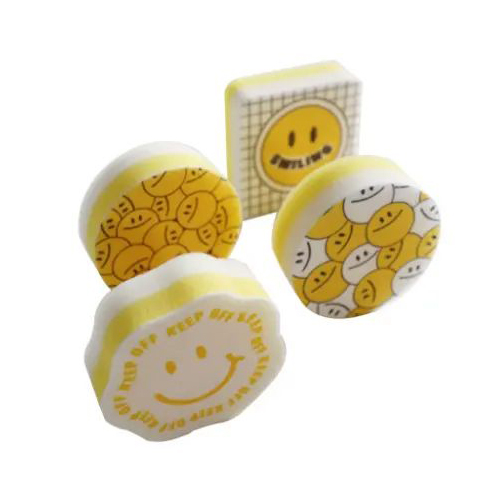


In modern kitchens, sponges are indispensable cleaning tools. However, with so many types available on the market, cellulose sponges i synthetic sponges are the most common. Many people wonder: what are the differences between the two, and which one is more suitable for kitchen use?
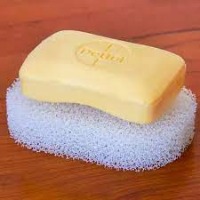
1. Materiał Differences
1.1 Materiał gąbki celulozowej
Cellulose sponges are made from natural plant fibers, usually wood pulp or cotton pulp. Their main features are natural, soft, and environmentally friendly, and they can decompose naturally. Ponieważ gąbki celulozowe są wykonane z zasobów odnawialnych, ich używanie ogranicza ilość odpadów z tworzyw sztucznych i wpisuje się w dążenie nowoczesnych gospodarstw domowych do ekologicznego stylu życia.
1.2 Materiał syntetycznej gąbki
Synthetic sponges are mostly made from polyurethane or other synthetic materials. Some have an abrasive surface to improve cleaning power. Although they are soft, synthetic sponges are non-biodegradable. Długotrwałe użytkowanie może pozostawić w kuchni drobne cząsteczki plastiku, a produkty niskiej jakości mogą zawierać pozostałości środków chemicznych, stwarzając potencjalne zagrożenie dla zdrowia.
2. Porównanie absorpcji wody
2.1 Absorpcja wody przez gąbkę celulozową
The porous fiber structure of cellulose sponges gives them excellent water absorption. They can quickly soak up spills, making them ideal for cleaning up liquid or kitchen countertops. With minimal squeezing, cellulose sponges can absorb a large amount of liquid, making daily kitchen cleaning faster and more efficient.
2.2 Absorpcja wody przez gąbkę syntetyczną
In contrast, synthetic sponges absorb water more slowly and require frequent squeezing to achieve the same effect. Additionally, some synthetic sponges may expand or deform when wet, which can reduce cleaning efficiency over time.
3. Trwałość Analysis
3.1 Trwałość gąbki celulozowej
Chociaż gąbki celulozowe są bardzo chłonne, pozostawione na mokro przez dłuższy czas są podatne na rozwój bakterii, co może powodować nieprzyjemny zapach. To extend their lifespan, they should be thoroughly rinsed and dried after use. Cellulose sponges are suitable for everyday dish and countertop cleaning but are slightly less durable for heavy-duty cleaning tasks.
3.2 Trwałość gąbki syntetycznej
Synthetic sponges are more wear-resistant and can withstand heavy scrubbing. However, they can scratch non-stick surfaces or delicate cookware, and over time, they may tear, crack, or deform. Therefore, synthetic sponges are better for tough stains but not ideal for direct, long-term contact with dishes.
4. Porównanie możliwości czyszczenia
4.1 Zdolność czyszczenia gąbki celulozowej
Cellulose sponges are soft and gentle, making them safe for ceramic, glass, and non-stick surfaces. Idealnie nadają się do czyszczenia naczyń i blatów, ale są mniej skuteczne w przypadku tłustych i uporczywych plam, często wymagając płynu do mycia naczyń lub dodatkowego szorowania.
4.2 Zdolność czyszczenia gąbki syntetycznej
Synthetic sponges often have an abrasive layer, giving them strong cleaning power, especially for burnt pots or stubborn grease. Jednak ta ścierna powierzchnia może porysować delikatne powierzchnie, dlatego lepiej nadają się do intensywnego czyszczenia niż do zwykłego czyszczenia naczyń.
5. Względy ochrony środowiska i bezpieczeństwa
5.1 Korzyści dla środowiska gąbki celulozowej
Cellulose sponges are biodegradable and do not cause long-term environmental pollution. They are also free of chemical additives, making them safer for health. For households pursuing a green lifestyle, cellulose sponges are the obvious choice.
5.2 Zagadnienia środowiskowe gąbki syntetycznej
Synthetic sponges are non-biodegradable and contribute to plastic waste. Low-quality synthetic sponges may contain chemical residues, posing potential health risks. From a long-term perspective, synthetic sponges are less environmentally friendly and safe than cellulose sponges.
6. Cellulose Sponge vs Synthetic Sponge Comparison Table
| Przedmiot | Cellulose Sponge | Synthetic Sponge |
|---|---|---|
| Material | Naturalne włókna roślinne (pulpa drzewna/pulpa bawełniana) | Poliuretan lub inne materiały syntetyczne |
| Water Absorption | Szybkie wchłanianie, duża pojemność | Wolniejsze wchłanianie, wymaga częstego wyciskania |
| Durability | Skłonny do rozwoju bakterii, wymaga suszenia | Odporny na zużycie, ale może rozerwać lub zarysować powierzchnie |
| Cleaning Ability | Delikatny, odpowiedni do naczyń i blatów | Silna siła czyszcząca, dobra na uporczywe plamy |
| Wpływ na środowisko | Biodegradowalny, ekologiczny | Nie ulega biodegradacji, może zawierać pozostałości chemiczne |
7. Usage Recommendations
7.1 Odpowiednie scenariusze dla gąbki celulozowej
- Czyszczenie naczyń, kubków i szkła.
- Wiping kitchen countertops and light grease on stoves.
- Ideal for households prioritizing environmental friendliness and health.
7.2 Odpowiednie scenariusze dla gąbki syntetycznej
- Removing burnt residues or stubborn grease from pots and pans.
- Czyszczenie powierzchni odpornych na ścieranie.
- Best for occasional heavy-duty cleaning, not for long-term dish contact.